Sleep Sedation
Sleep Dentistry Melbourne: dental treatment you won’t remember

Sleep dentistry means having your treatment while sedated: deeply relaxed, unaware of what’s happening, and with little or no memory of it afterwards. At Avenue Dental we offer two levels. Oral sedation, a tablet prescribed by your dentist and taken before your appointment, takes the edge off for fillings, extractions and other everyday treatment. IV sedation, given and monitored by a visiting anaesthetist, is for longer or more complex work, or for anyone who would rather not be aware of any of it. Both happen here in Melbourne, with the same dentist you’d see awake.
If you’ve been putting off treatment because of fear, a bad experience, a strong gag reflex or needle phobia, sedation is often what makes it possible. The first step is a consultation with no treatment involved: a conversation about what you need and which option fits.

In pain now? Call us.
Same Day Emergency Guarantee: call before 10am on a day we’re open and you’ll be seen by a dentist that day. Emergency appointment $95, including consultation and X-ray. Excludes public holidays and practice closures. Full terms here.
Is sleep sedation right for you?
Most people who ask about sleep dentistry aren’t choosing between medications. They’re describing a situation: a treatment they’ve been avoiding, a reflex they can’t control, a needle they can’t face. So here are the situations we hear most, and which option usually answers them.
“My nerves get the better of me, even for a filling”
This is the most common reason people ask us about sedation, and it doesn’t need to be a big procedure to count. If the days before an appointment are spent dreading it, or you’ve cancelled more than once, that’s reason enough to talk to us.
Both oral and IV sedation are used for everyday treatment like fillings and extractions. Which one is appropriate depends on your health, your history and what’s being done, and that’s assessed at your consultation.
“I’ve got a lot of work to do and I’d rather it all happened at once”
Longer appointments are hard to sit through awake, and harder still when you’re nervous. Under sedation, treatment that might otherwise be spread over several visits can often be grouped into fewer, longer ones.
Dental implants, full mouth rehabilitation and multiple extractions at Brunswick are commonly done this way. Whether that’s suitable for you, and with which level of sedation, is decided with your dentist and, for IV sedation, the anaesthetist.
“I gag the moment anything goes near the back of my mouth”
A strong gag reflex makes impressions, X-rays and back-tooth work miserable, and it isn’t something you can will away. It’s also often tangled up with nerves, which makes it worse.
Sedation can quieten the reflex along with everything else. Tell us about it when you book, and your dentist will assess which approach, if any, is appropriate for you.
“It’s the needle. I can’t do the needle”
Needle phobia is common, and it’s one of the main reasons people avoid the dentist for years. Sedation changes the experience: with oral sedation the local anaesthetic is given once the tablet has taken effect, and with IV sedation the cannula in your hand is the one needle you’ll be aware of.
Numbing gel before, noise canceling head phones and not having to watch, are small things that help too. Mention your nerves when you book.
None of the above is a recommendation. Sedation is a clinical decision, made after your dentist has assessed your medical history, any medications you take, the treatment planned and how you’ve coped before, and the anaesthetist has the final say on whether IV sedation is suitable for you. The situations here are only to show you’re not the first person to feel this way, and that there are options.
Any surgical or invasive procedure carries risks. The information on this page is general in nature and does not constitute clinical advice. Individual suitability, treatment and costs depend on an assessment specific to you. Before proceeding, seek a second opinion from an appropriately qualified health practitioner. View treatment risks here.

Is sleep dentistry safe?
It’s the question underneath every other question about sedation, so here’s a straight answer: for suitable patients, with the right people in the room and the instructions followed, yes. Each of those conditions matters, and here’s what they mean at Brunswick.
Who’s in the room
For IV sedation, a visiting anaesthetist administers the sedation and stays with you for the entire appointment. Their only job is you: your breathing, your heart rate, your oxygen levels and how deeply sedated you are. Your dentist’s only job is your teeth.
For oral sedation, your dentist prescribes the tablet and the dental team monitors you throughout, with the same emergency equipment and training in the room.
You’re screened before you’re booked
Sedation isn’t offered to everyone who asks for it. Your medical history, medications, weight, airway and any conditions like sleep apnoea, heart or lung disease are reviewed first, and for IV sedation the anaesthetist’s team assesses you directly.
If sedation isn’t suitable for you, or a different level is safer, you’ll be told why. Saying no is part of doing it safely.
Sedation, not general anaesthetic
With both oral and IV sedation you breathe on your own, keep your protective reflexes, and can be roused if needed. The depth of IV sedation is adjusted moment to moment by the anaesthetist, so you’re only ever as sedated as the treatment needs.
That’s a different thing from being put fully under, and it’s a large part of why sedation is considered safe for suitable patients in a dental setting.
The instructions matter
Fasting times, which medications to take that morning, and having someone to take you home aren’t formalities. Food in your stomach during IV sedation is a genuine risk, and sedation lingers in your system long after you feel normal.
If the instructions can’t be followed on the day, the appointment is rescheduled rather than risked. We’d rather you were annoyed than unsafe.
All dental treatment, and all sedation, carries risks, and they’ll be discussed with you specifically before you consent to anything. Read more about treatment risks.
How a sedation appointment works at Avenue Dental Brunswick
Knowing what happens, and in what order, takes a lot of the nerves out of it. Here’s the process from first conversation to the morning after.
1Consultation, with nothing done to your teeth
Your first visit is a conversation. Your dentist goes through what you need, what’s worried you in the past, your medical history and any medications, then examines your teeth so a treatment plan can be made. If sedation is appropriate, you’ll be told which level is being considered and why.
2For IV sedation: the anaesthetist assesses you
IV sedation is only booked once the anaesthetist’s team has spoken with you and reviewed your medical history, medications and general health. This is where your eligibility is determined: some conditions mean IV sedation isn’t suitable, or needs extra precautions, and it’s the anaesthetist who makes that call. It’s also when you receive the anaesthetist’s fee, quoted per hour based on the planned appointment length.
3Costs and instructions before you book
You receive a written plan with the dental treatment costs. You’ll also get clear instructions: when to stop eating and drinking, which medications to take or hold, and what to arrange for getting home.
4On the day
Someone brings you in. With oral sedation, you’ll have taken the tablet as instructed and arrive already calm. With IV sedation, the anaesthetist places the cannula, starts the sedation and stays with you, monitoring your breathing, heart rate and oxygen for the whole appointment while your dentist works. Local anaesthetic is used as normal, so the treatment itself isn’t felt.
5Recovery and going home
After IV sedation you rest in the practice until the anaesthetist is satisfied you’re ready to leave, usually within an hour. Your companion takes you home and stays with you for the rest of the day. No driving, work, alcohol or important decisions until the next morning. Oral sedation wears off more gently but the same rules apply: no driving, and someone with you.
6The next day
You’ll have written aftercare for the dental treatment itself, and we check in with you. Most people remember little or nothing of an IV sedation appointment, and a hazy version of an oral one. A follow-up visit is booked if the treatment needs it.
Why choose Avenue Dental for Sleep Dentistry in Melbourne
Two levels of sedation, one practice – Oral and IV sedation are both provided at Brunswick, so the level that suits you isn’t limited by what’s on offer. If your needs change part-way through a treatment plan, so can the approach, without moving practices.
An anaesthetist for IV sedation – IV sedation is administered and monitored by a visiting anaesthetist whose sole focus is you for the whole appointment. Your dentist treats; the anaesthetist watches. Nobody is doing both.
Assessed first, booked second – Sedation is only arranged once your dentist, and for IV the anaesthetist’s team, have reviewed your medical history and confirmed it’s appropriate for you. You’ll never be booked for sedation on a phone call.
The same dentist, awake or sedated – The dentist who plans your treatment at the consultation is the one who does it. You’ll have met them, talked through your worries and agreed the plan before the day.
Nothing happens on the first visit – Your consultation is a conversation and an examination. No treatment, no sedation, no pressure to decide on the day. Plenty of people need that first visit just to walk in the door, and that’s fine.
Costs before you commit – Dental treatment is quoted in a written plan, and the anaesthetist quotes their fee separately, per hour, before anything is booked. Payment plans through Humm are available for the dental treatment, with approval and terms assessed by Humm.
Open early – Brunswick opens at 7am Monday to Friday. Sedation appointments are often booked first thing, which means a shorter fast and less time to sit with the nerves.

The information on this page is general in nature and does not constitute clinical advice. Individual suitability, treatment and costs depend on an assessment specific to you. Before proceeding, seek a second opinion from an appropriately qualified health practitioner. View treatment risks here.
Sleep sedation for nervous patients
Plenty of people who ask about sleep dentistry don’t have anything complicated wrong with their teeth. What they have is years of not going: a bad experience as a child, a dentist who didn’t stop when asked, a gag reflex that made every visit humiliating, or nerves that build for a week before an appointment and win. If that’s you, you’re not being dramatic, and you don’t have to explain yourself.
Tell us when you book that you’re nervous. Your first visit will be a conversation, you can bring someone with you, you’ll agree a stop signal before anything happens, and nothing will be done that day unless you want it to be. Sedation is one of the tools we have for making treatment possible; it’s often the conversation beforehand that does the most.
Sleep dentistry in Melbourne: your questions answered
How much does sleep dentistry cost in Melbourne?
There are two parts to the cost. The dental treatment itself is quoted in a written plan after your consultation, the same as it would be without sedation. The sedation is priced separately. Oral sedation involves a prescription from your dentist and no anaesthetist fee. IV sedation is administered by a visiting anaesthetist who charges their own fee, quoted per hour based on how long the appointment is expected to take, and you receive that quote before you book. Across Melbourne, IV sedation fees vary between anaesthetists and with appointment length, so the honest answer is that you’ll know your figure once you’ve been assessed, and not before.
Is sleep dentistry the same as being put to sleep?
Not in the way most people mean. With IV sedation you are deeply relaxed and usually remember little or nothing, but you’re breathing on your own and can be roused if needed. That’s different from a general anaesthetic, where you’re fully unconscious. Oral sedation is lighter again: you’re calm and drowsy but awake. Both are used with local anaesthetic, so you don’t feel the treatment either way.
Will I feel anything?
No. Local anaesthetic numbs the area being treated with both oral and IV sedation, so the treatment itself isn’t felt. What sedation adds is that you’re not anxious, not aware of the sounds and sensations, and in the case of IV sedation, unlikely to remember it.
Am I suitable for sedation?
That’s decided at your consultation, not on a website. Your dentist reviews your medical history, medications and the treatment planned, and for IV sedation the anaesthetist’s team speaks with you and assesses your eligibility directly. Some conditions, including certain heart, lung and airway problems, and pregnancy, mean sedation isn’t suitable or needs extra precautions. If it isn’t right for you, you’ll be told why and what the alternatives are.
What’s the difference between oral sedation and IV sedation?
Oral sedation is a tablet prescribed by your dentist and taken before your appointment. You stay awake but feel calm and detached, and you’ll usually have a hazy memory of the visit. IV sedation is given through a small cannula in your hand by an anaesthetist, who adjusts the dose throughout and monitors you the whole time. You’re deeply relaxed, unaware of the treatment, and most people remember nothing. Which is appropriate for you depends on your health and the treatment, and is assessed at your consultation.
Do I need someone to take me home?
Yes, for both. You can’t drive after either oral or IV sedation, and after IV sedation someone needs to stay with you for the rest of the day. Book a lift, a taxi with a companion, or a friend. If you can’t arrange someone, tell us before the appointment rather than on the day.
Do I need to fast before sedation?
For IV sedation, yes. The anaesthetist gives you exact instructions on when to stop eating and drinking, and they need to be followed; if they aren’t, the appointment is rescheduled for your safety. For oral sedation, your dentist will tell you what to do about food and your usual medications on the morning of the appointment.
How long does it take to recover?
After IV sedation you rest at the practice until the anaesthetist is happy for you to leave, usually within an hour, then take it easy at home for the rest of the day. Most people feel normal by the next morning. Oral sedation wears off more gently over a few hours. Either way, no driving, work, alcohol or important decisions until the following day.
Can I have sedation for a check-up and clean?
Yes, if you’re suitable. Nerves don’t only apply to big treatments, and for some people a clean is the appointment they’ve avoided longest. Oral sedation is commonly used for shorter appointments like this, but the appropriate option is assessed the same way as for any other treatment.
Does health insurance cover sleep dentistry?
It depends on your fund and level of cover. The dental treatment is claimed under your dental extras as usual. The anaesthetist’s fee is separate; some anaesthetist services attract a Medicare rebate and some health funds contribute, but this varies and depends on the treatment being done. Ask the anaesthetist’s team about item numbers when they quote you, then check with your fund.
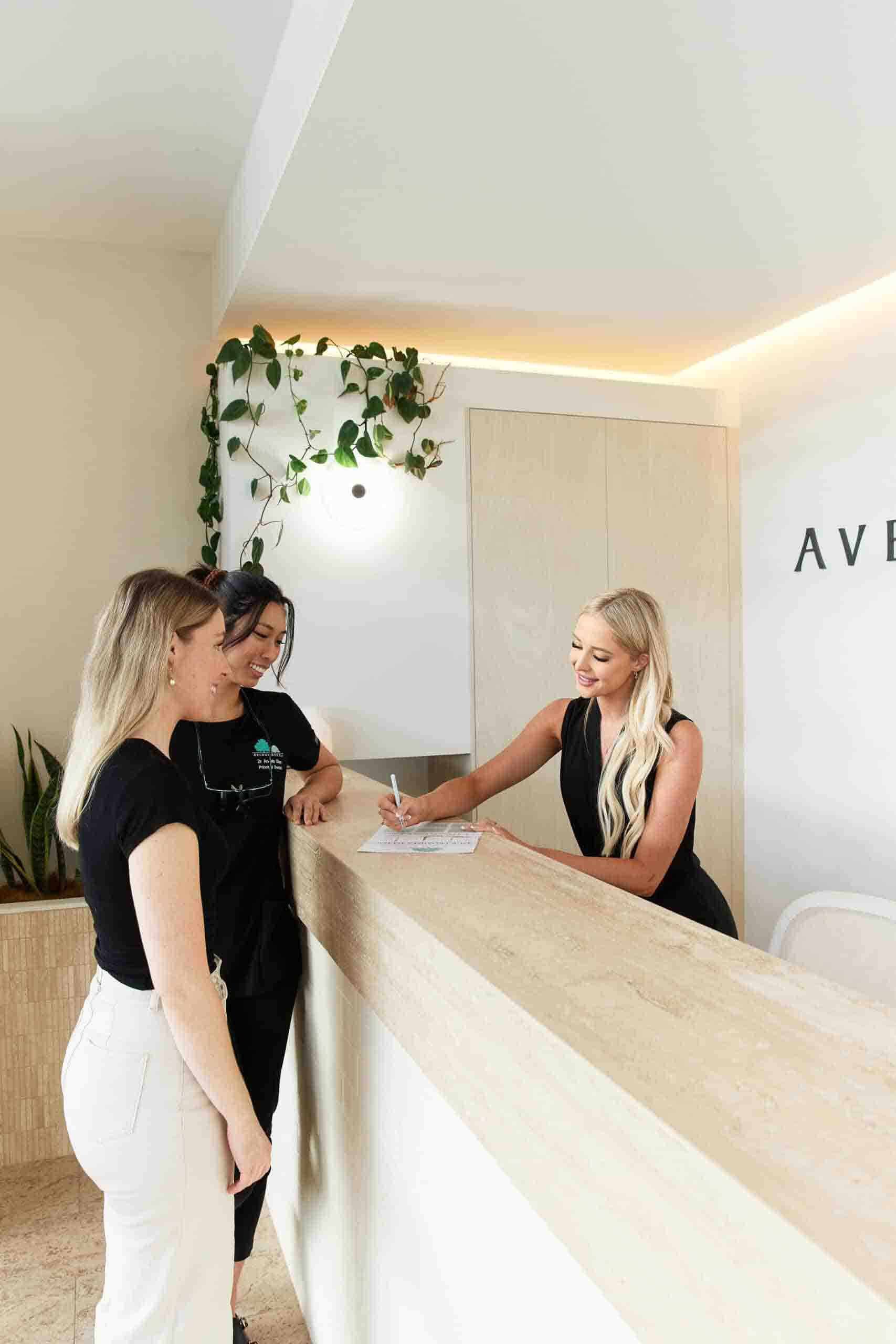
Flexible payment plans
At Avenue Dental on the Sunshine Coast, Brisbane, Adelaide and Melbourne, we understand that dental treatment can be difficult to fit into your budget, which is why we offer a range of different dental payment plan options.