A guide from Avenue Dental
Invisalign clear aligners, explained
Invisalign straightens teeth with a series of clear, removable aligners, each one moving your teeth a little at a time. This guide covers how it works, which type suits which smile, what it costs and how it compares to braces, so you can walk into your consultation knowing what to ask.
This guide covers how Invisalign works, the different types and the smiles they suit, what treatment costs and how it compares to braces. By the end, you’ll know what to ask at your free consultation, and whether Invisalign is worth exploring for you.


What is Invisalign?
Invisalign is a brand of clear aligner: thin, custom-made trays that fit snugly over your teeth. Your dentist plans the movement of every tooth on a 3D model, and each new set of aligners in the series is shaped slightly differently from the last. Worn consistently, they guide your teeth towards the planned position.
Because the aligners are clear and come out to eat and brush, many people find them easier to live with than fixed braces. They do ask something of you, though. Aligners only work while they’re in, so wearing them 20 to 22 hours a day is part of the deal.
Step by step
How Invisalign treatment works
From your first appointment to your final retainer, here’s what happens and when.
-
Step 01
Free consultation and 3D scan
A 30-minute appointment with one of our dentists. We check your teeth and gums are healthy, take a digital scan with our iTero scanner and talk through whether Invisalign suits you.
-
Step 02
Your treatment plan
Your dentist maps out each tooth movement on a 3D model, so you can see the planned path on screen before anything is made. It shows what’s planned, rather than promising a final result.
-
Step 03
Wearing your aligners
You move to a new set every one to two weeks. Some people have small tooth-coloured bumps called attachments added to help the aligners grip.
-
Step 04
Check-ins along the way
Regular reviews with your dentist keep treatment on track, and let us adjust the plan if a tooth needs a little more time.
-
Step 05
Retainers to keep it
Teeth naturally try to drift back, so a retainer after treatment is what holds your new position long term.

A Diamond Elite Invisalign provider
Invisalign awards Diamond Elite status based on the number of cases a practice treats, so the dentist planning your aligners has done it many times before.
Options
Types of Invisalign
There are several types of Invisalign, depending on how much your teeth need to move. Your dentist recommends one after your scan, and it’s a big factor in cost.

01
Invisalign Express
Very minor tweaks, like a small shift after old braces.
02
Invisalign Lite
Mild crowding or spacing.
03
Invisalign Go
Straightens the teeth you see when you smile.
04
Invisalign Moderate
Moderate crowding, spacing or bite concerns.
05
Invisalign Comprehensive
Complex cases, including many bite corrections.
06
Invisalign Teen
Built for growing mouths, with wear indicators.
Find Invisalign near you
Invisalign is available at Avenue Dental practices across the Sunshine Coast, Brisbane, Melbourne and Adelaide. Choose your area to see your local practices and book.


Invisalign vs braces
Both straighten teeth well in the right cases. The differences are mostly about day-to-day life, and how much your teeth need to move.
| Invisalign | Fixed braces | |
|---|---|---|
| How it looks | Clear aligners that are hard to notice up close | Metal or ceramic brackets on the teeth |
| Eating | Aligners come out, so there’s no food list to follow | Hard and sticky foods are best avoided |
| Cleaning | Brush and floss as normal | Extra time needed around brackets and wires |
| Commitment | Relies on you wearing them 20–22 hours a day | Working around the clock without you having to remember |
| Often suited to | Mild to moderate crowding, spacing and bite concerns | Complex tooth movements and more severe bite problems |
Our Invisalign Services Include
How much does Invisalign cost?
Invisalign at Avenue Dental
From $3,400
Your dentist gives you an exact quote at your free consultation, before you decide anything.
What affects the cost
- The type of Invisalign your teeth need
- Your total treatment time and number of aligners
- Any treatment needed first, like a clean or fillings
- Retainers after treatment
Spread the cost
Interest-free payment plans through Humm, with approval and terms assessed by Humm. Afterpay, Zip, TLC and early release of super are also available, subject to eligibility.
Using your health fund
If your extras include orthodontic cover, your fund may contribute. Check your limit and waiting period, and we can give you the item numbers to ask about.
Why Choose Avenue Dental for Invisalign treatments?
Avenue Dental is a Diamond Elite Invisalign provider, a tier Invisalign awards based on the number of cases a practice treats. Every treatment starts with a free 30-minute consultation and 3D scan, so you can see your planned tooth movement before you commit, and if Invisalign isn’t the right fit for your teeth, we’ll tell you. Interest-free payment plans help spread the cost, and our locally owned practices are open Saturday mornings to fit around your week.

See real Invisalign results
Our Smile Gallery shows Invisalign cases treated by our dentists, so you can see what treatment can look like in real life.
Every smile starts somewhere different, and results vary from person to person. If you’d like to explore what’s possible for your own teeth, we’d love to see you for a free consultation.
Smile GalleryInvisalign FAQs
Still wondering about something? Your dentist can answer anything at your free consultation.
How much does Invisalign cost?
Invisalign at Avenue Dental starts from $3,400. Your final price depends on the type of Invisalign you need, your total treatment time and number of aligners, and any treatment needed first. Your dentist gives you an exact quote at your free consultation, and interest-free payment plans are available.
How long does Invisalign take?
Invisalign treatment often takes between 6 and 18 months. Simple cases can be shorter and complex ones longer, and your dentist gives you an estimated timeframe at your consultation.
Is Invisalign the same as clear aligners?
Invisalign is one brand of clear aligner. Clear aligners is the general name for removable, see-through trays that straighten teeth, and several brands make them. Your dentist can explain which option suits your teeth and budget.
Can Invisalign fix an overbite?
Invisalign can correct many mild to moderate overbites, as well as underbites, crossbites and open bites. More severe bite problems, especially those coming from the jaw, may need braces or other treatment. Your dentist assesses your bite with a 3D scan at your consultation.
How many hours a day do you wear Invisalign?
Invisalign aligners need to be worn 20 to 22 hours a day. You take them out to eat, to drink anything other than plain water, and to brush and floss. Wearing them for less time can slow your treatment down.
Does Invisalign hurt?
Most people feel pressure or tenderness for a day or two when they start a new set of Invisalign aligners. That’s the aligners doing their job, and it usually settles quickly.
What are Invisalign attachments?
Attachments are small, tooth-coloured bumps bonded to some teeth to give Invisalign aligners something to grip. They help with certain tooth movements and are polished off at the end of treatment.
Can I eat and drink with Invisalign in?
Take your aligners out to eat and for any drink other than plain water, then brush before putting them back in. This stops food and sugar sitting against your teeth.
What happens if I lose an Invisalign aligner?
Contact your practice as soon as you can. Depending on where you are in treatment, your dentist may ask you to move to your next set early, go back to your previous set, or order a replacement.
Will Invisalign affect my speech?
Some people notice a slight lisp for the first few days of Invisalign treatment. It usually fades as your tongue gets used to the aligners.
Do I need a retainer after Invisalign?
Yes. Teeth tend to drift back towards their old position after Invisalign, so wearing a retainer as advised is what keeps your result.
Am I too old for Invisalign?
There’s no upper age limit for Invisalign. What matters is the health of your teeth and gums, so your dentist checks these first. Plenty of adults straighten their teeth with Invisalign later in life.
Is Invisalign worth it?
It depends on your teeth and your goals. People often choose Invisalign because the aligners are clear and removable, which makes eating, cleaning and everyday life easier than with fixed braces. It does rely on you wearing them 20 to 22 hours a day, so a free consultation is the easiest way to weigh it up.
Does private health insurance cover Invisalign?
Some extras policies with orthodontic cover contribute towards Invisalign. Limits and waiting periods vary, so check with your fund before you start, and ask us for the item numbers.
Can a general dentist provide Invisalign?
Yes. General dentists trained in Invisalign provide treatment, and Invisalign’s provider tiers show how many cases a practice treats. If your case would be better managed by an orthodontist, your dentist will tell you.
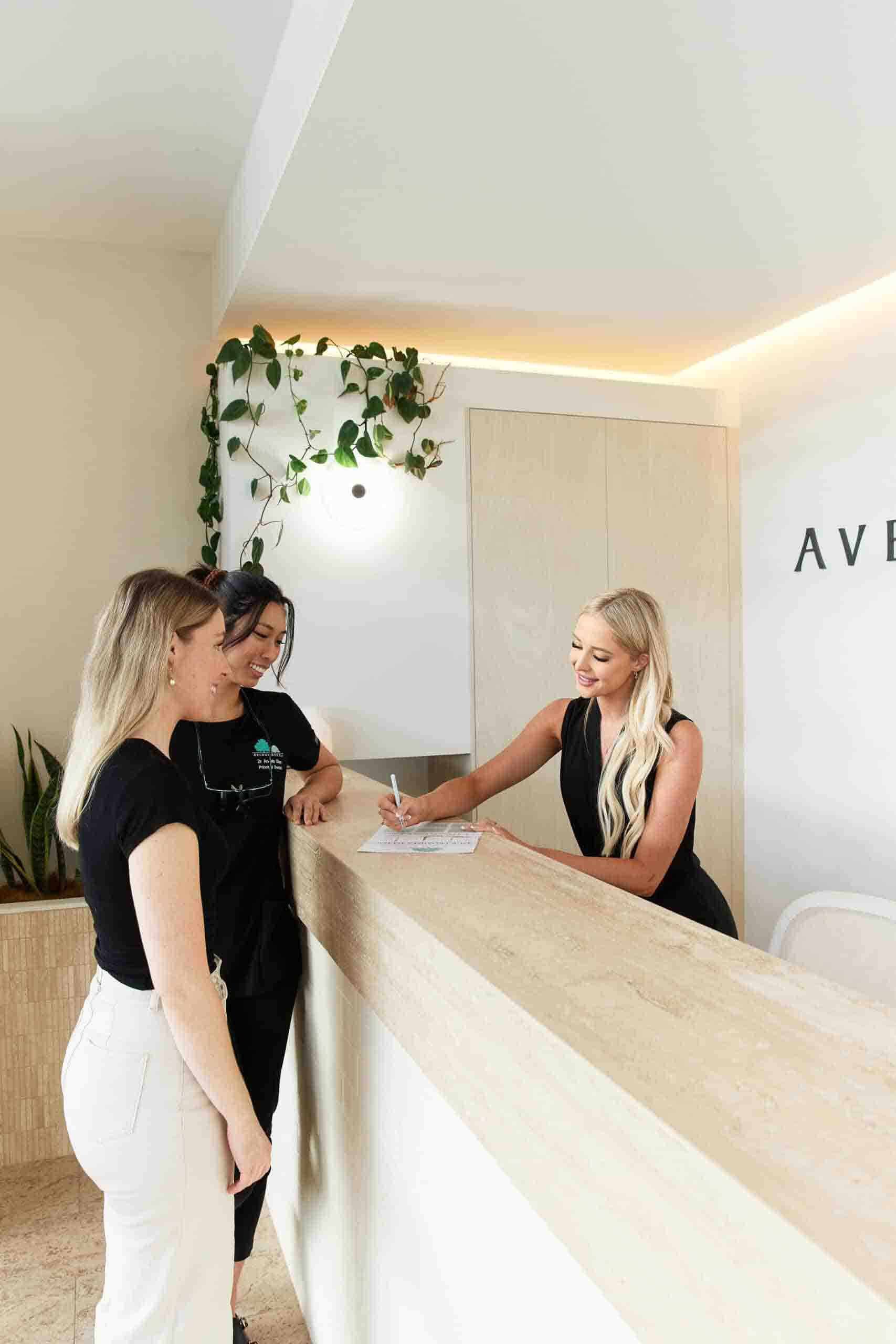
Flexible payment plans
At Avenue Dental on the Sunshine Coast, Brisbane, Adelaide and Melbourne, we understand that dental treatment can be difficult to fit into your budget, which is why we offer a range of different dental payment plan options.